I knew I was back in China when I asked for cold water at a restaurant and the waiter looked at me like I was an alien from outer space.
Twelve years after I left the country following a year-long stint as an English teacher in Zhengzhou, I discovered that iced drinks are still as foreign a concept as baseball and forks. While you can get a cold beverage in modern hotels and other places popular with tourists, Chinese people still prefer hot or warm drinks mostly because they’re healthier than chilly ones.
That’s one of the many cultural differences I learned during the time I lived in China. There have been many dramatic changes in the Middle Kingdom since then, some good like cleaner air and some bad like a further crackdown on free speech, but culturally China and the U.S. are still worlds apart.
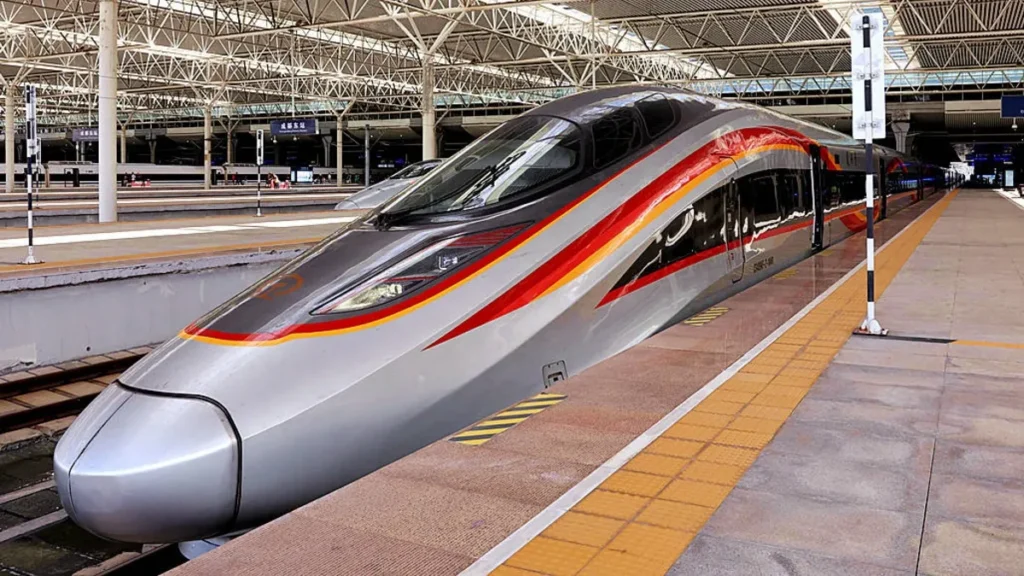
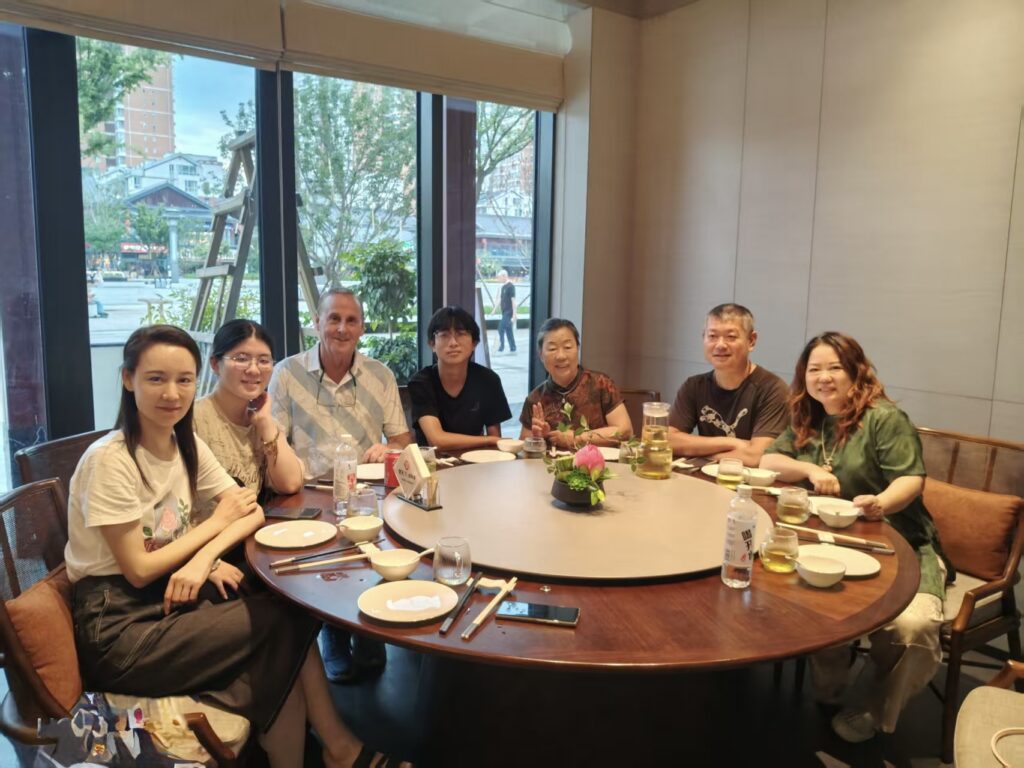
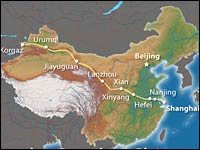
I returned to see friends and former students that I taught online after coming back home. (My wife Pat stayed home to work and take care of our two golden retrievers.) It was a whirlwind, 10-day trip that included stops in five cities, a crammed itinerary made possible by China’s futuristic, high-speed train network.
During a layover in Tokyo en route to Beijing, I met Yue, a Chinese businessman who owns 150 private schools and two universities. He was having lunch the next day with the founder of VIPKid, the online teaching company I worked for after returning from China. VIPKid was a $3 billion company with 100,000 North American teachers tutoring about 800,000 Chinese students in English before China’s government decided to ban online teaching by foreigners.
The ostensible reason was to ease the burden on Chinese students who have much longer and more demanding school days than American kids. Eliminating expensive after-school tutoring supposedly would give students more free time and reduce educational expenses for parents. But it also was an obvious attempt to reduce foreign influence and exposure to Western ideas, hallmarks of Xi Jinping’s 14-year reign as China’s leader.
After arriving in Beijing, I took a 30-minute, high-speed train to Tianjin to meet my former student Jason, who now attends a university in his hometown. We were joined there by Cathy, a Chinese teacher I met at the university in Zhengzhou who became a close friend.
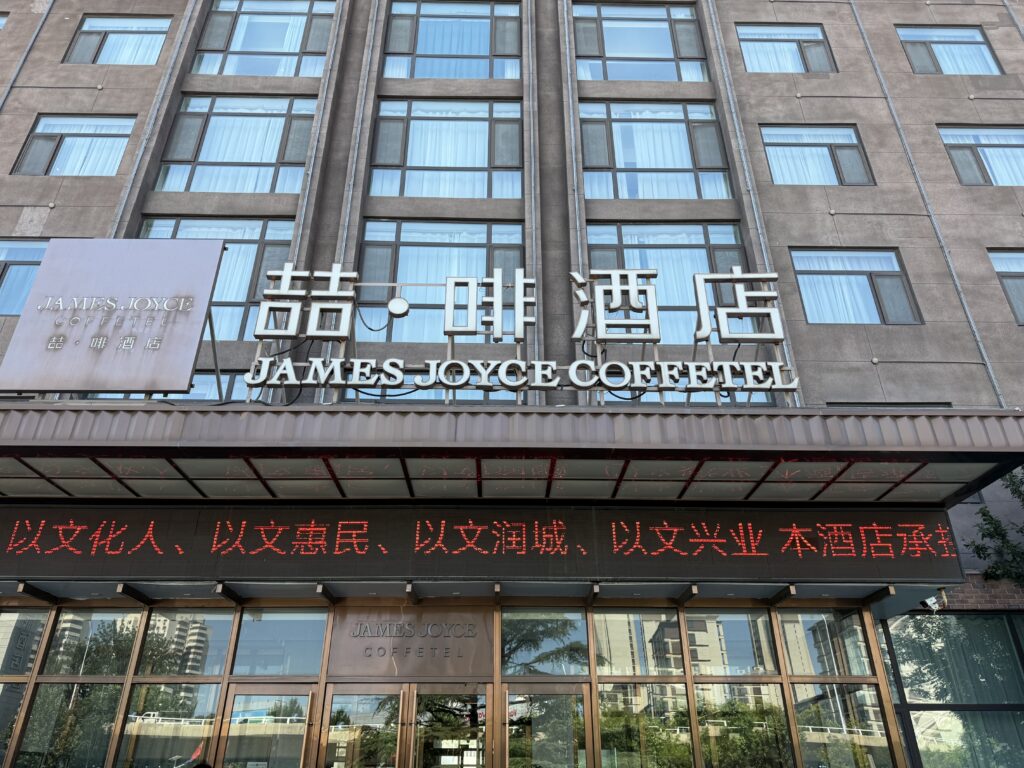
I stayed at the James Joyce Coffetel Hotel, an odd name considering that the place has no apparent connection to coffee or the famous Irish writer. Though there was a Chinese version of “Ulysses” on my bedside table, no one at the front desk knew who James Joyce was or why the hotel was named after him. Another example of the inscrutable Chinese.
While in Tianjin, we walked around The Five Avenues, a historic neighborhood with European architecture, upscale restaurants and cafes, and a large artificial grass field popular with families and children. The area is sometimes called “Fifth Avenue,’’ but looks nothing like the famous shopping street in New York and is a whole lot cheaper.
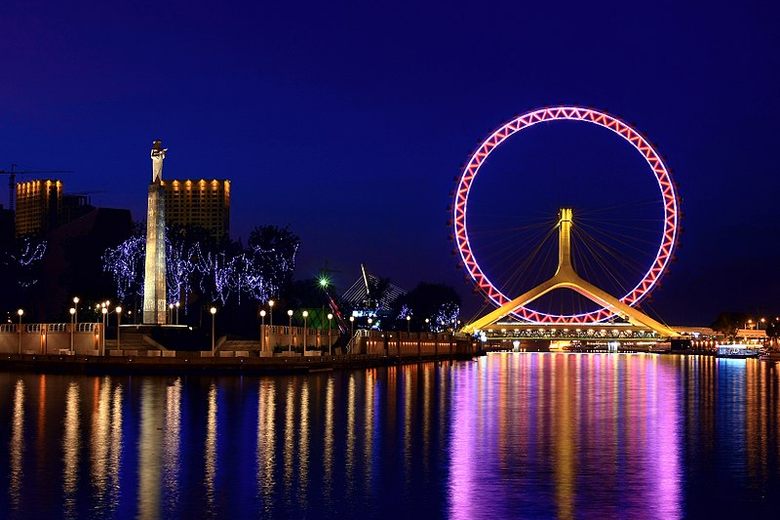
That evening, we visited the Tianjin Eye, a 394-foot high Ferris wheel built over a bridge. It’s particularly striking at night, when its lights can be seen all over the city.
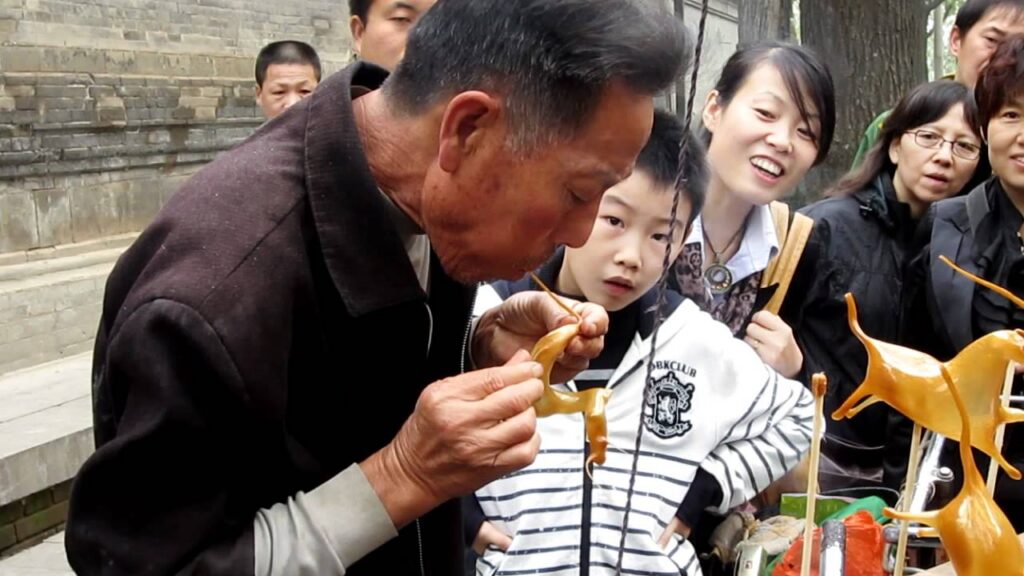
The following day, we toured the Ancient Cultural Pedestrian Street, a wide boulevard lined with shops and eateries. We stopped by a street vendor who was making animal-shaped candy by blowing into a tube that inflates balls of heated sugar. Cathy made a swan with a long curving tale. I took a few licks, but it was even too sweet for a sugar-lover like me.
We also visited Porcelain House, a Gaudi-style museum showcasing a private collection of centuries-old wooden furniture and artifacts, including an early version of a fridge that can preserve ice for months with a clever air-flow system. Another reminder that the Chinese invented many things before the West, including paper, gunpowder, the compass and the printing press.
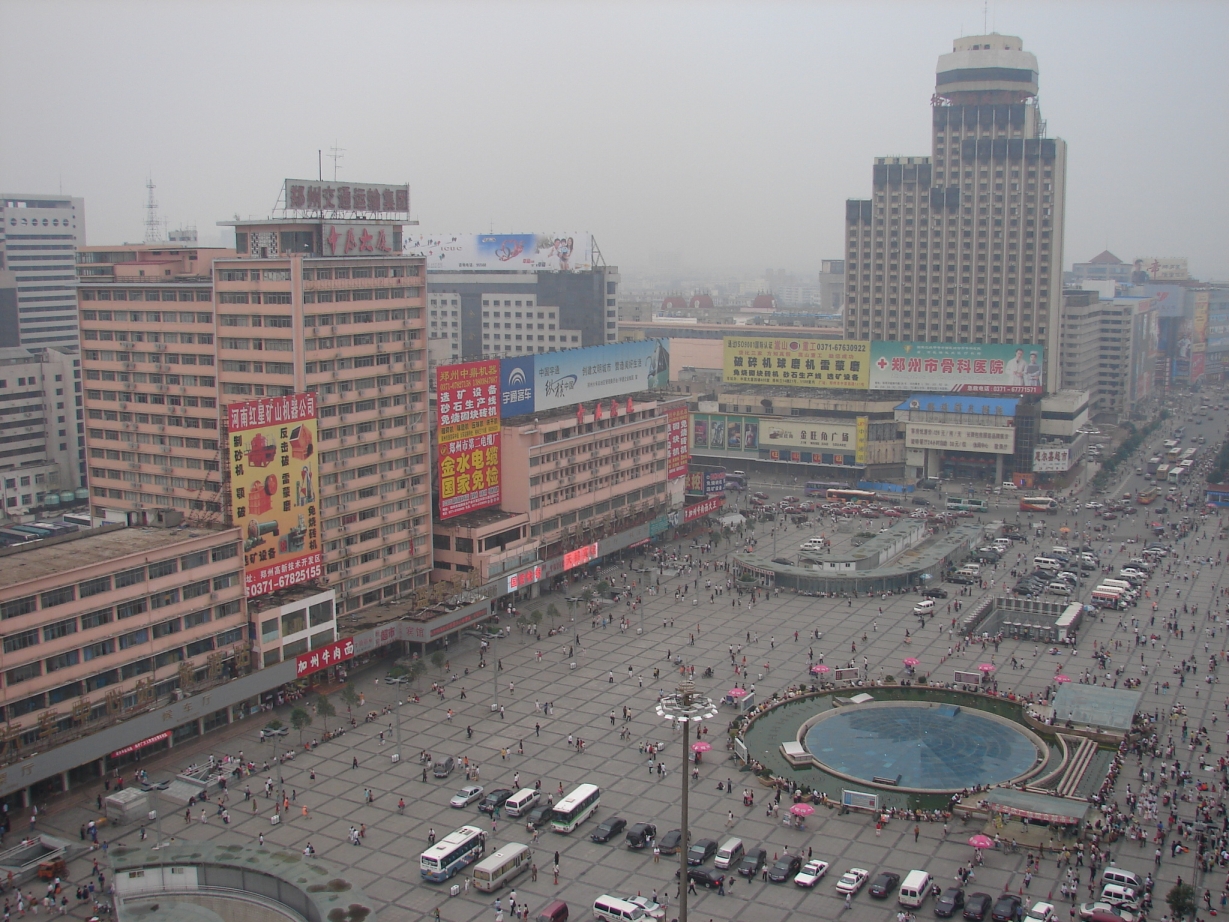
After taking a train to Zhengzhou, about 430 miles southwest of Beijing, I checked into a hotel near Henan University of Technology, the school where I taught English in 2013-14. I barely recognized the area because it’s changed so much since I left. When I lived there, it was a sleepy section of Zhengzhou with nothing but a string of small, local shops. Now, it’s brimming with modern hotels, restaurants, Western fast-food franchises and a couple of large malls. (I got hungry late one night when the only place open was a Domino’s Pizza, which was delivered to my hotel room by a Mandarin-speaking robot.)
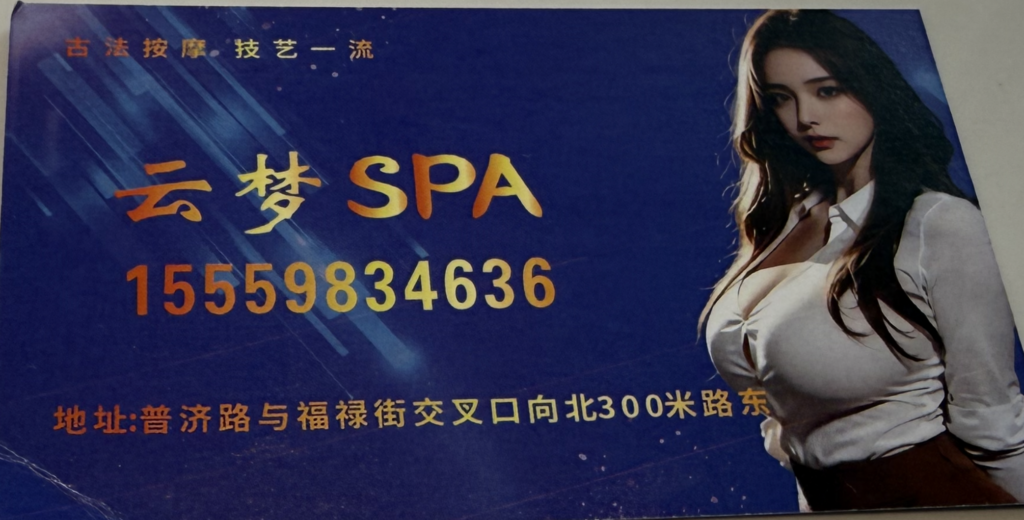
When I checked into the hotel, I found a card that had been slipped under the door of my room. It advertised a “spa” and featured a picture of a large-breasted young woman with an enticing gaze. I’m pretty sure the main service offered wasn’t a massage or whirlpool.
The next day, Cathy and I walked around the campus where I taught and stopped by my former office, which still had a plaque on the door with the name of our English program, even though it no longer exists at the school. We later met up with Cathy’s daughter Lucy, who was living at home during a summer break from her university in Chengdu.
Lucy (Chinese people who frequently deal with Westerners often adopt an English name) is rail thin with bleached blond hair and rings in her nose and lip, a look her mom isn’t fond of. She was wearing tropical shorts and a Grateful Dead T-shirt. Youth is universal.
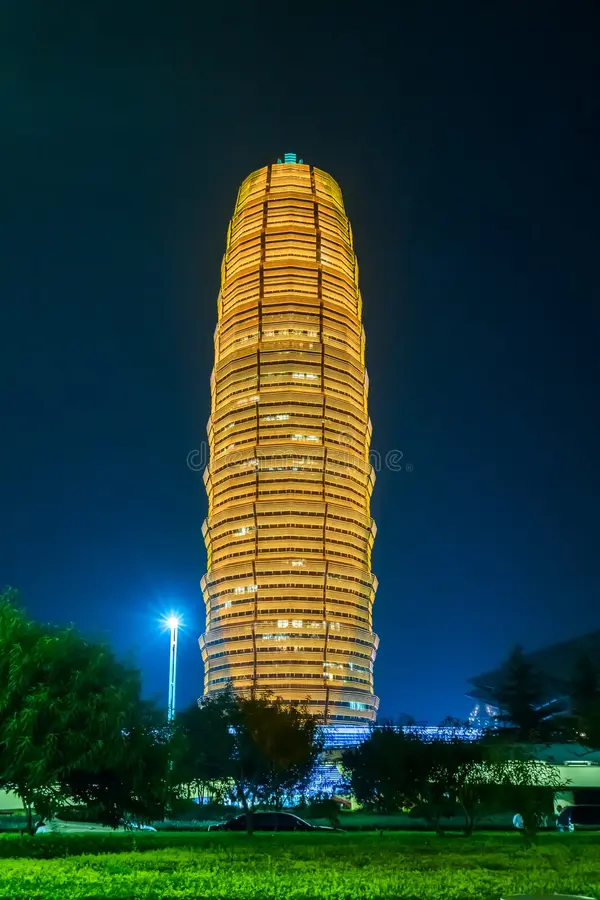
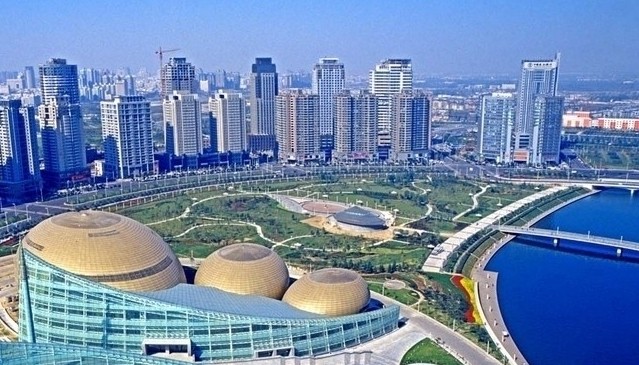
That night Cathy drove me to the CBD (Central Business District), a modern complex of offices, apartments, shops and entertainment venues in eastern Zhengzhou. The centerpiece is “Big Corn,” a lakeside skyscraper shaped like a corn cob that houses a luxurious Marriott hotel. We sat in the 38th-floor lobby, where large glass windows offer a panoramic view of the area, and I made the mistake of ordering a Coke, which normally costs about 50 cents in Zhengzhou. The bill: $7. Another Western lesson China has learned — jacking up the price of hotel food and drink. (I paid for everything in China with Alipay or WeChat Pay, the country’s two main mobile payment systems. China is now a virtually cashless society.)
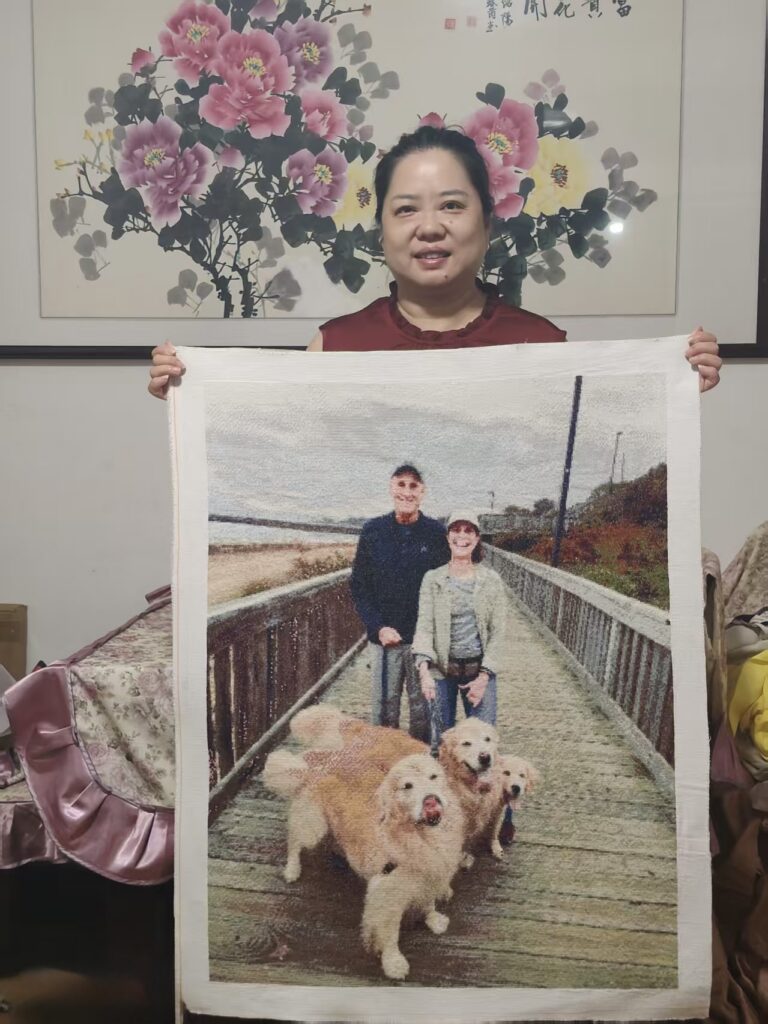
My next stop was Luoyang, a nearby city where I visited a former student named Frank and his family. Cathy and I went to their small, cramped apartment, where 16-year-old Frank lives with his parents, grandparents and older sister. Frank’s mom gave me a handmade embroidery of a photo I had sent her of Pat and I with our golden retrievers, plus several other gifts.
Frank’s dad had recently returned home after spending most of the past four years about 900 miles away in Guangzhou, where he helped manage the expansion of the city’s subway system. Now he’s driving a taxi in Luoyang, a major step down necessitated by China’s struggling economy.
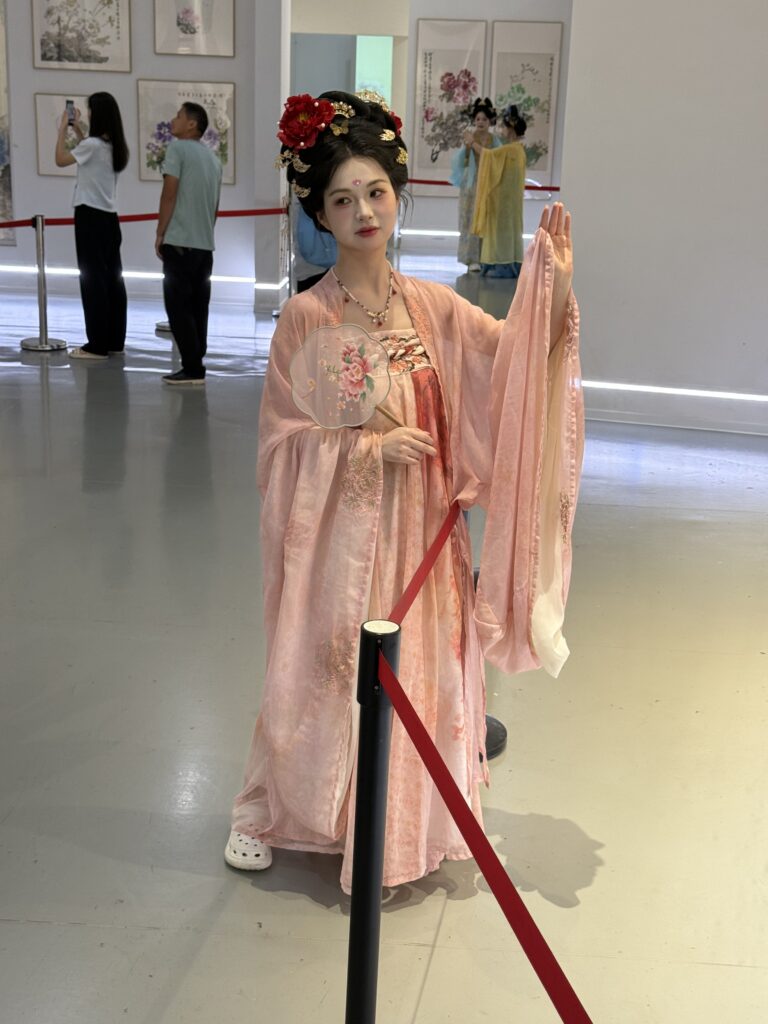
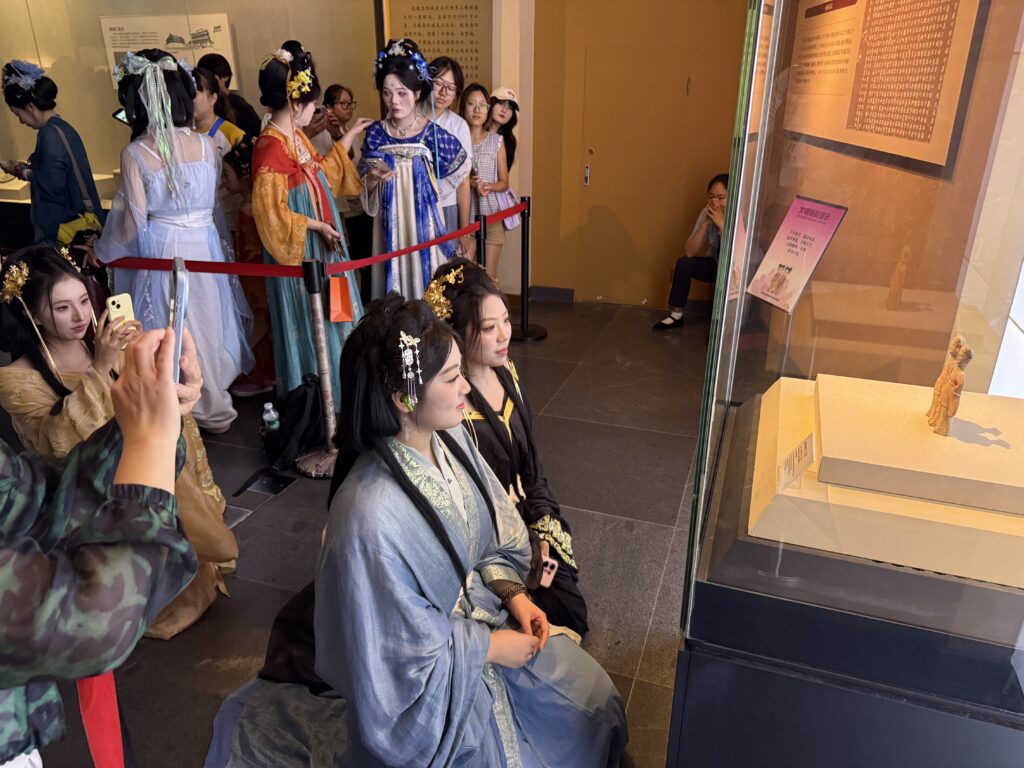
We later toured the Luoyang Museum, which traces the history of the city that was the capital of 13 Chinese dynasties. Inside the museum we saw dozens of young women dressed in ornate costumes and headdresses from the Tang dynasty, a golden age that is widely considered the peak of ancient China. One memorable sight: dozens of these women lined up to take pictures of themselves kneeling before the figurines of two girls holding hands. Apparently it’s a sign of friendship … or maybe just a cool photo to post on social media.
On a high-speed train from Zhengzhou to Chengdu (a 750-mile trip that took only five hours, including several stops), I met a fascinating family with ties to Ireland, Greece, Russia and the U.S. The mom is an Irishwoman who worked for many years in the oil and gas industry in Moscow, where her sons grew up. Her husband, who wasn’t on the trip, is a Greek from Athens, where the couple currently lives. And two sons are college students in New York, one at NYU and the other at Columbia. The mother was traveling with one of her sons and a 28-year-old Russian woman who she befriended in Moscow and became like an adopted daughter. That’s not a family; it’s a mini-United Nations.
In Chengdu, Cathy and I had dinner with my former student Chloe, who now attends a university in Melbourne, Australia. She was joined by her best friend Jessica, who she calls her sister because they’re so close. Chloe told me her university costs about $70,000 a year for tuition, room and board, so I assume her parents are either wealthy, incredibly dedicated to their daughter’s education or both.
After dinner, we walked around the Wide and Narrow Alleys, a lively historic neighborhood lined with restaurants, boutiques, teahouses, street performers and “ear parlors” where you can have your ears cleaned with metal needles and prongs. It looks like torture, but those who’ve tried it insist it’s as relaxing as a massage.

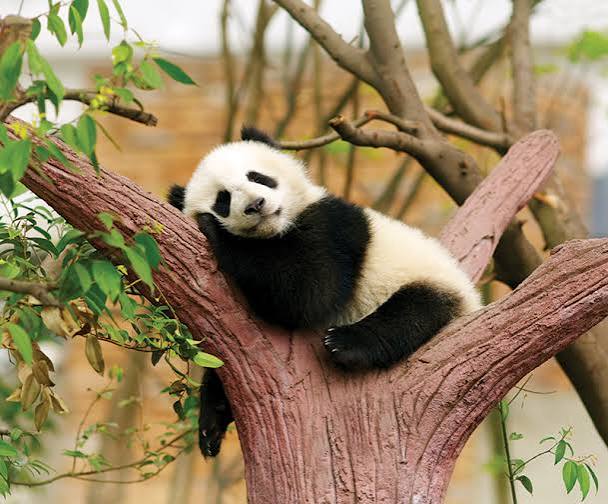
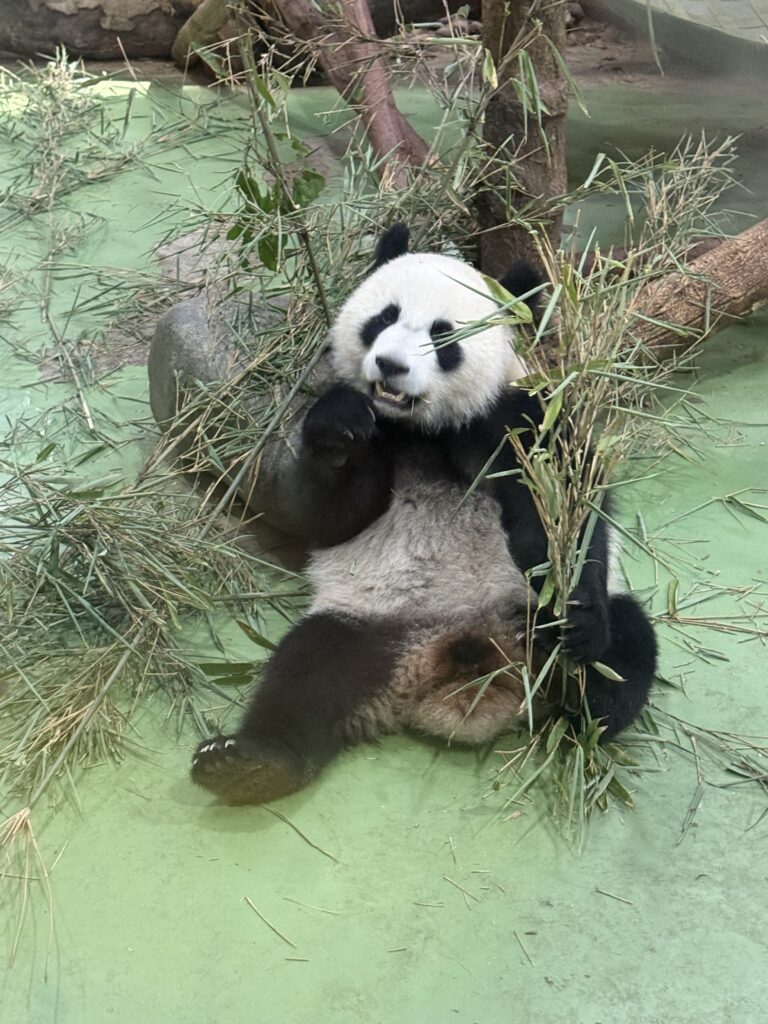
The following morning we went to Chengdu’s world-famous panda breeding and research center, which I had visited during my teaching year in China. It’s an amazing place that houses about 260 giant pandas and 75 red pandas, which look more like raccoons than bears. It was almost 100 degrees the day we visited, so all the pandas were resting in air-conditioned indoor enclosures. Pandas spend most of their time eating bamboo, sleeping and pooping, as many as 40 times a day because food passes through their short digestive tract in just a few hours. Gives new meaning to the phrase “full of shit.”
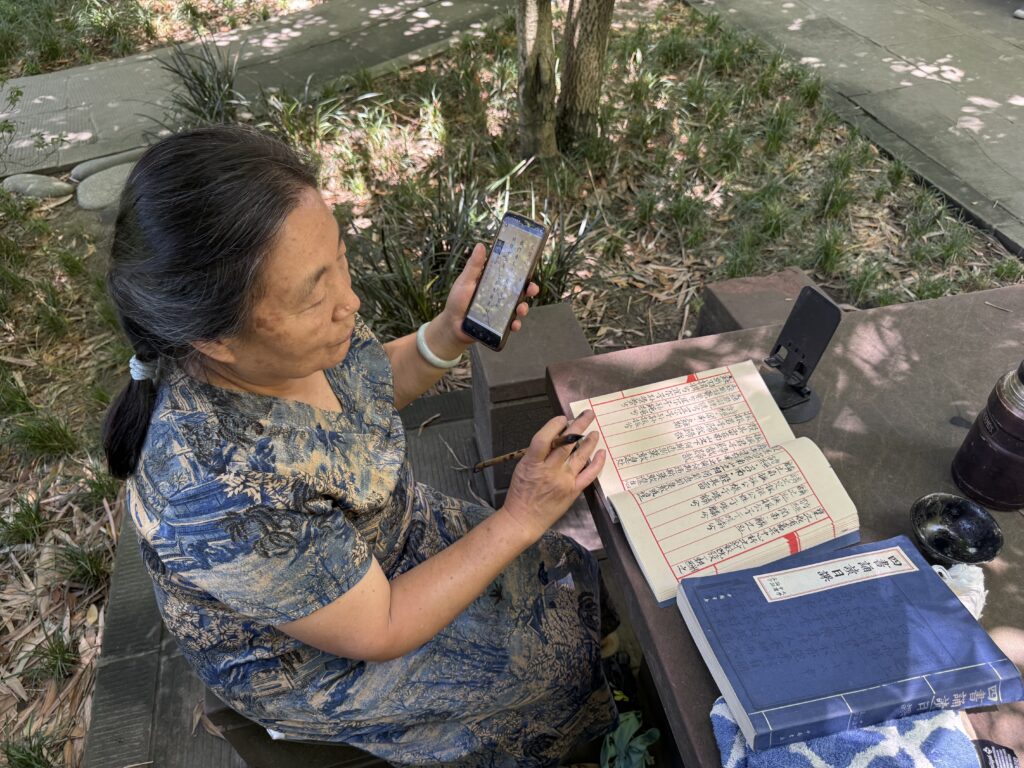
From the panda center we took a taxi (actually a DiDi, China’s version of Uber) to Du Fu Thatched Cottage, a museum and park named after a renowned, eighth-century Chengdu poet often called “the Shakespeare of China.” There we saw an elderly woman writing calligraphy in a small notebook. She told us she was copying ancient Chinese poems from her cellphone, which was propped in front of her. She then began to sing the poems, which apparently was a tradition in ancient times. It’s moments like those that make China a very special place.
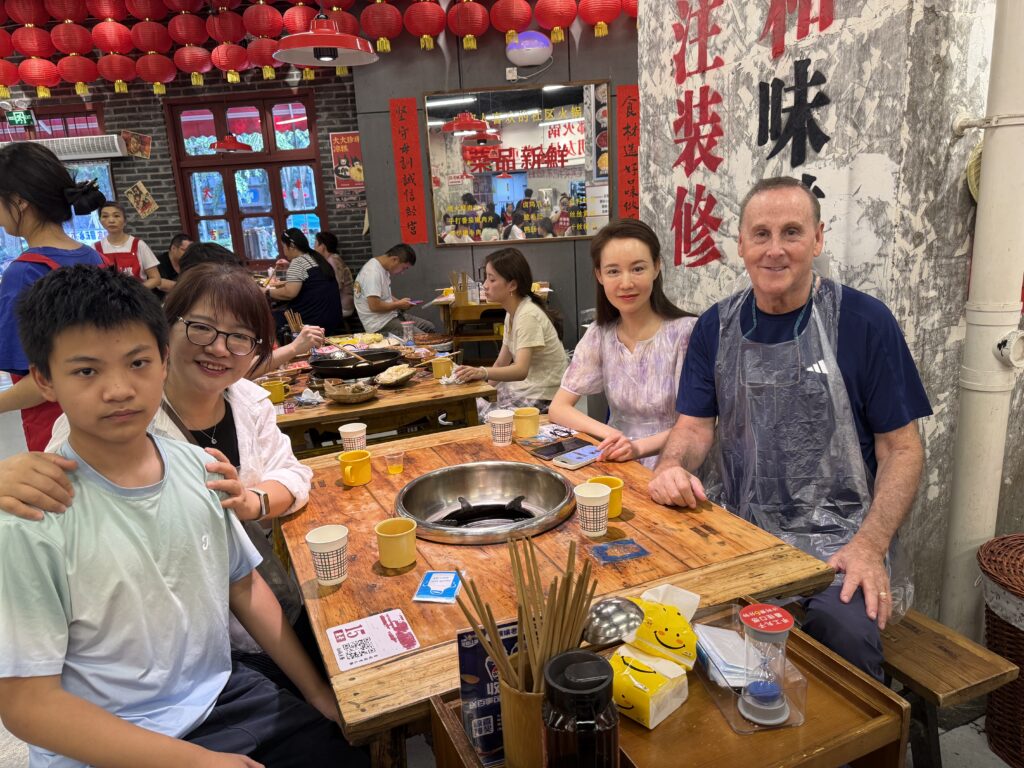
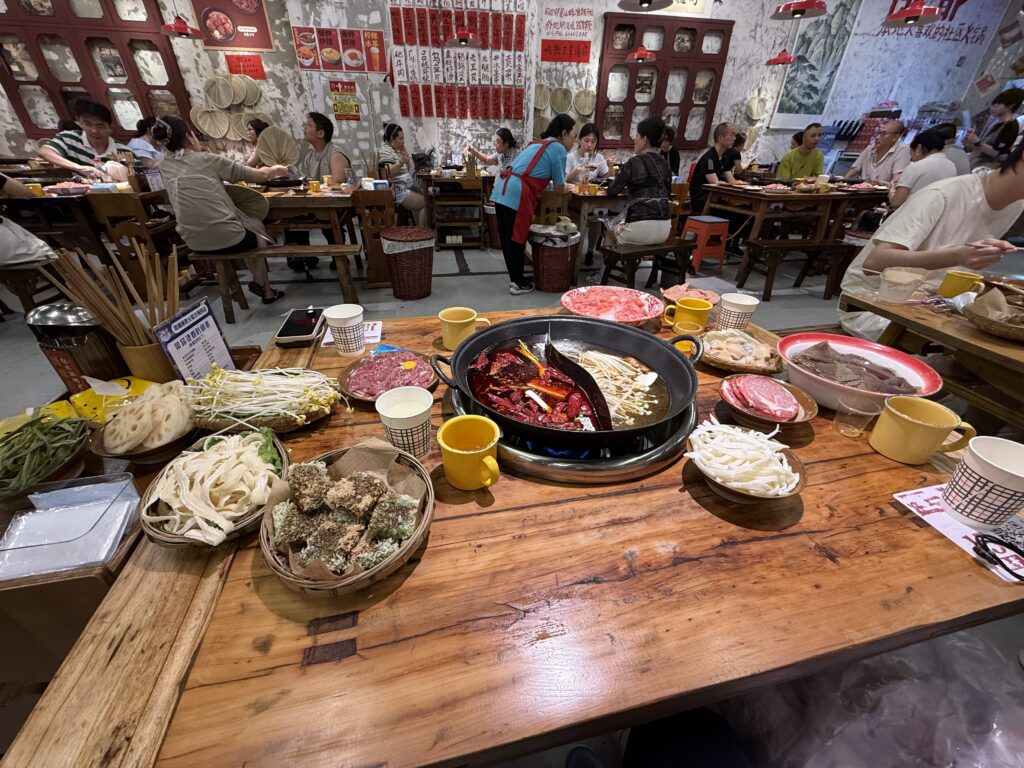
We met another one of my former students, Ray, and his mom for dinner at a hot pot restaurant. For those not familiar with hot pots, it’s communal dining where you cook raw meats, seafood, vegetables and noodles in a simmering pot in the middle of the table. Our hot pot contained duck intestines, pig stomach and some kind of animal skin, all of which I avoided in favor of noodles, shrimp and chewy rice cakes. (I never eat animal organs or anything else that I can’t identify.)
After dinner we went to an ultra-modern shopping district packed with massive, luxury-brand stores. But the highlight was a sculpture of a 49-foot tall giant panda climbing the side of a shopping mall, with its rear end facing the street. It’s a big tourist attraction and this night there were hundreds of people snapping photos of the panda’s tush.

Back at our hotel, Ray and I watched the World Cup final between Spain and Argentina, which was broadcast live at 3 a.m. in China. Ray, who’s about to start high school, loves soccer and had been watching a lot of the games on TV. I couldn’t understand the Chinese commentators, but they did seem more low key than the hyperbolic U.S. and European announcers I heard back home.
We didn’t get much sleep, but still managed to get up early in the morning to visit the Wenshu Monastery, a Buddhist temple with a towering pagoda and a giant white Buddha statue. I saw many young women kneeling and praying, an unusual sight in an officially atheist country.
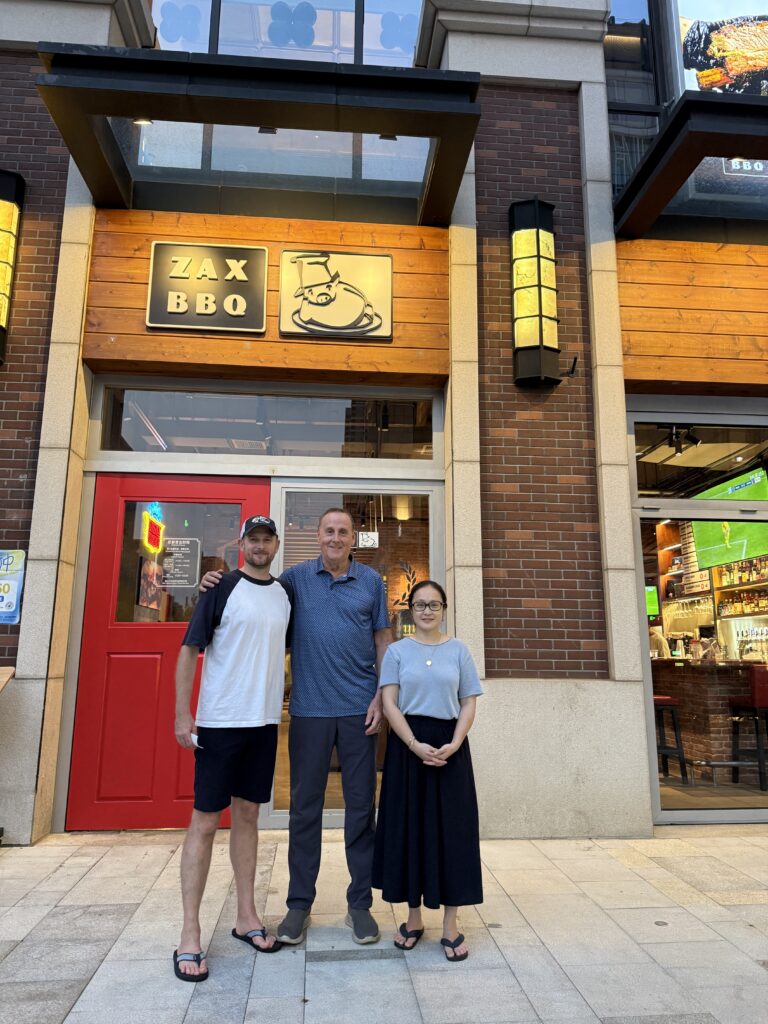
Before going home, I spent a couple more days in Zhengzhou, where I played ping-pong with a former teaching colleague, got a soothing, hour-long massage for $20 (for an American, China is still incredibly cheap), and visited Zax BBQ, a Southern-style restaurant run by an Atlanta native and his Chinese wife that I used to frequent during my teaching days.
Zach first came to China in 2008 to study, but ended up staying, marrying, having a daughter and opening up two popular barbecue restaurants. He speaks fluent Mandarin and understands all the intricacies of Chinese culture, but still retains a bit of his down-home Southern roots. For instance, he has a subscription that allows him to watch all the games of his hometown Atlanta Braves, who are battling my Philadelphia Phillies for the National League East title.
“Can’t give up baseball,’’ he said.
One day two Chinese friends and I visited “Only Henan,” a theatrical theme park about an hour’s drive from Zhengzhou. It features 21 theaters, 56 maze-like courtyards and more than 800 actors performing dramas that tell the story of China’s history and culture.
One of the shows we watched was about a family conflict during the 1942-43 famine in Zhengzhou’s Henan Province that killed between 700,000 and three million people (estimates vary widely). It was performed in a huge immersive theater where actors pop up all around you, giving an especially intimate feel to the drama.
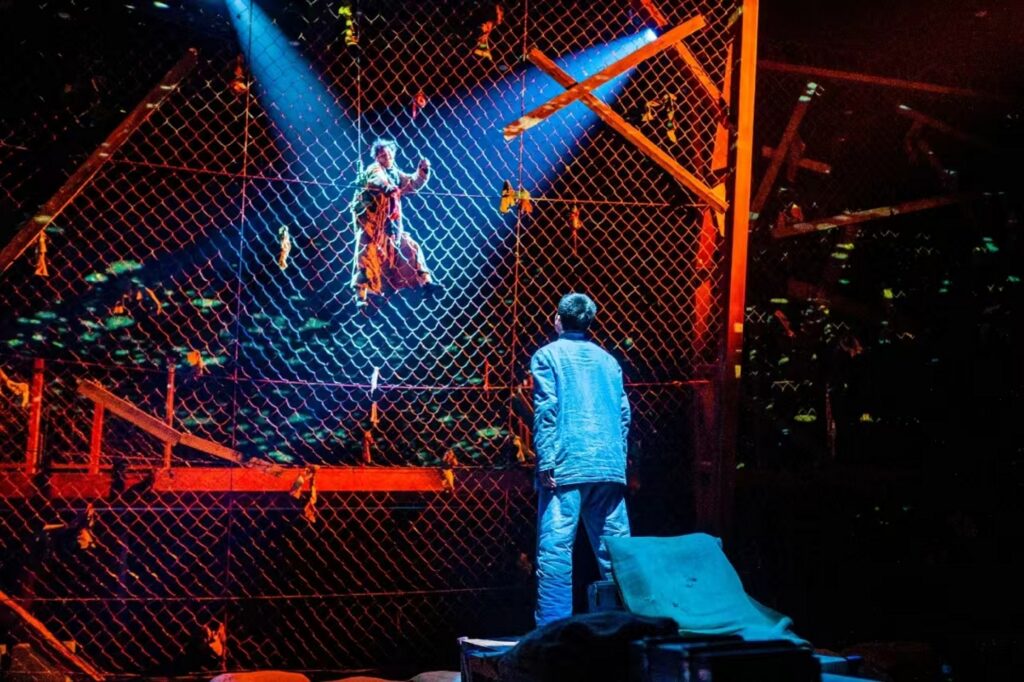
Every Chinese student knows about that famine, which was caused by a deadly combination of severe drought, crop-eating locusts and the ravages of World War II. But few Chinese youth learn about the even more destructive famine that occurred in China between 1959 and 1961 because that tragedy, which resulted in more than 30 million deaths, was the direct result of Chairman Mao’s disastrous economic policies. Even today, in modern China, it’s generally a no-no to criticize the sainted Mao and his communist revolution.
Speaking of repressive politicians, on my last morning in China, during breakfast at my hotel, I saw a group of representatives from African countries who were attending a conference in Zhengzhou. I spoke briefly with a man from the French-speaking country of Togo, who upon hearing that I was from the U.S., frowned and muttered in broken English: “Trump no good. Nobody like Trump.”
Couldn’t have said it better myself.

looks like a great trip! wonderful photos.
I’m interested in the “ear needles” situation, as like meridians, the Chinese are often way ahead of us. I’ll do some research. Sounds crazy, but so did their meridians when I lived in Taipei and Saigon. Who knows. Maybe . . . .